
MOTION CAPTURE EXPLAINED
Data, data and…more data.
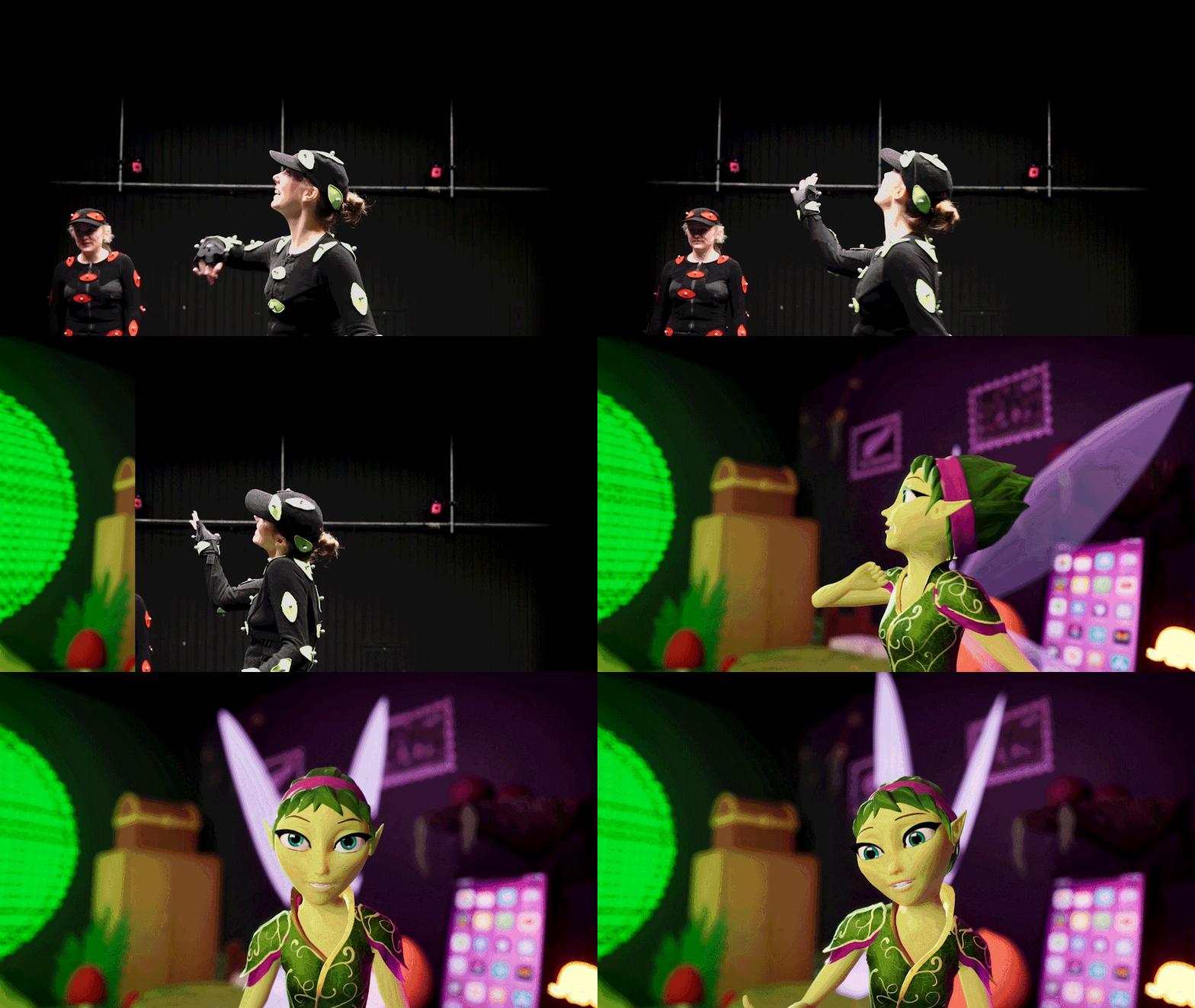
Motion capture transfers the movement of an actor to a digital character (capturing motion) also known as mocap. In simple terms motion capture systems can capture the motion of anything you can attach a sensor to – wearable bodysuits, tennis rackets, light sabers, you name it!
It is used to record the entire movement of an actor from different angles, gathering all the data into a digital skeleton. This raw data is used to drive the movements of a digital character or custom Avatar. High-performance motion capture systems are so fine that they can see facial expressions and fingers move in great detail, such as a person playing the piano.
Without oversimplifying the process, motion capture begins by recording body motion. Our animation team at CONICAL has been using motion capture for the past five years as a fundamental part of our production pipeline for VR and AR applications.
SOME MORE USES FOR
MOTION CAPTURE
Researchers can see the relationships between movement and muscle recruitment, along with ground reaction forces if needed. Mocap measures very precise movements in isolation or can be used to create reports based on analysis methodology .
It can even be used for animation. Our latest project The Green Fairy has been using motion capture to deliver high quality animations for an on-going 3D animated series showcased on HeiHei, New Zealand’s content channel for kids.
Interested in Motion Capture?
VIRTUAL REALITY
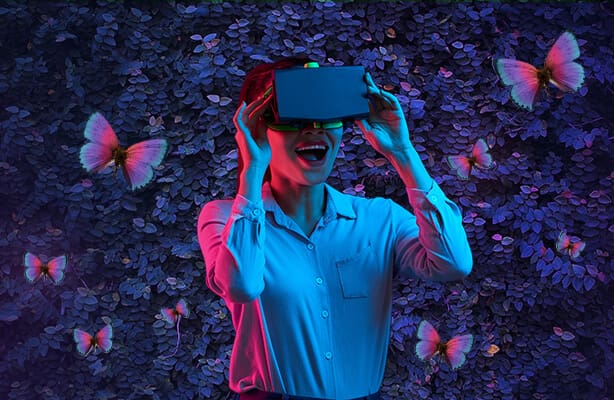
Experience and interact with a Virtual 3D world by putting on a head mounted display. Instead of viewing a screen in front of them, users are immersed and able to interact in a whole new way.